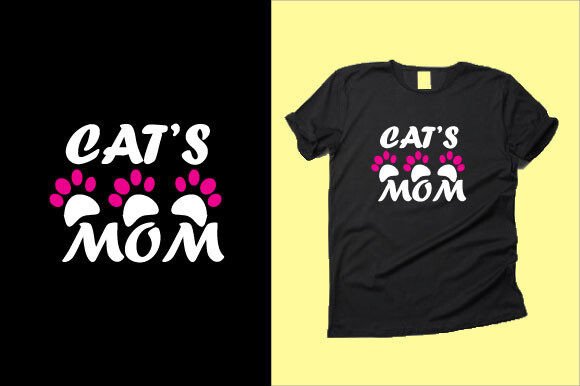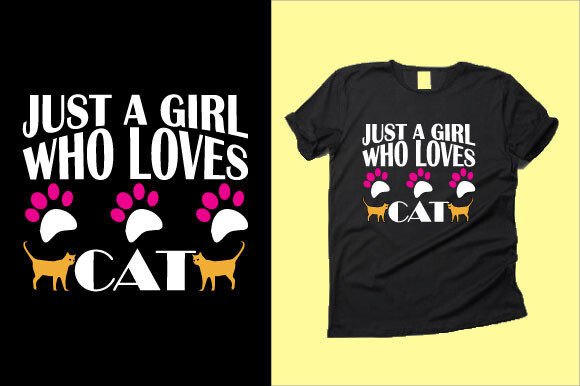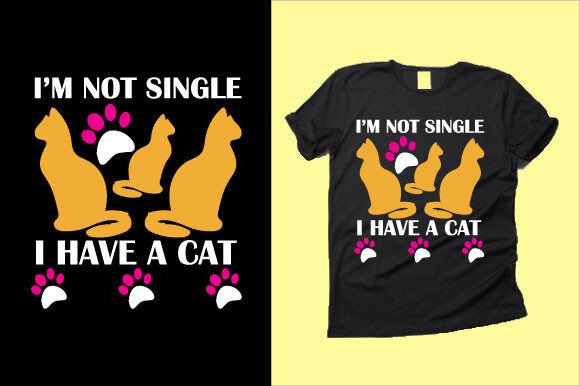
Funny Cat Collection: A Designer’s Real-World Embroidery Review
First Impressions: Whimsy That Lands—Not Just Cutesy
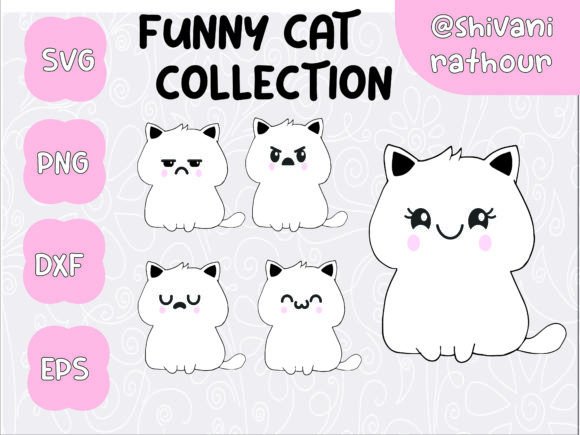
Opening the Funny Cat Collection, I didn’t see “more cat graphics.” I saw ten distinct personalities—each with exaggerated eyes, lopsided grins, or perfectly timed tongue-out expressions that read instantly, even at 2 inches tall. These aren’t generic clipart cats. They’re character-driven, balanced in weight and negative space, and clearly drawn for translation into stitch—not just screen display. As a designer who’s stitched hundreds of T-Shirt Designs for boutique clients, I immediately pictured them on a relaxed-fit cotton tote bag: bold enough to hold attention without overwhelming the fabric, playful but not juvenile.
Where It Shines: Real Projects, Real Reactions
I tested one design—a wide-eyed tabby with crossed paws and a tiny “meow?” speech bubble—as a sweatshirt embroidery on midweight French terry. The result? Warm, approachable, and unmistakably handmade. Customers paused at the rack. Parents pointed. Teens smiled and asked, “Is that available on hoodies too?” That’s the sweet spot: Funny Cat Collection doesn’t shout—it invites. It works especially well on baby embroidery (think onesies and burp cloths), where soft humor reads as gentle charm rather than irony. On tea towels and aprons, it adds personality without competing with function. And for Etsy sellers building a cohesive craft business line, these Graphics offer consistent tone across patches, pillow covers, and holiday embroidery—say, a ginger cat wearing reindeer antlers on a linen stocking.
What Holds Up Under the Needle—and What Needs Thought
The designs avoid over-detail: no micro-features like individual whiskers or layered fur textures that collapse into muddy fill stitch. That’s smart. You’ll get clean satin stitch outlines and open areas that breathe on knit fabrics. But here’s where experience matters: on stretchy fabric like jersey tees, use light cutaway stabilizer—not tear-away—to prevent puckering around those expressive ears and cheek curves. On dark fabric, test thread colors first; some lighter grays or beiges may need an extra layer of underlay or a white topping to pop. And while the collection is built for clarity, don’t push it on curved surfaces like caps—stick to front-panel placement, not the crown, unless you’ve verified hoop compatibility and digitizing flexibility.
Design Integrity Meets Commercial Practicality
As a small shop owner who sells embroidered patches and custom apparel, I care how a machine embroidery design affects perceived value. Funny Cat Collection delivers. The proportions are generous—no cramped limbs or awkward spacing—so even when resized down to 3 inches for a baby cap, the expression remains legible. That builds customer trust: buyers feel they’re getting intentional design, not a scaled-down stock file. For digital embroidery file sellers, this collection also translates cleanly into printable mockups. Drop one onto a neutral sweatshirt template in grayscale, and it reads with warmth and balance—no heavy shadows or lost contrast.
Where to Pause Before Stitching
Don’t assume it’s “plug-and-play” everywhere. On thin fabrics like rayon challis or lightweight linen, reduce stitch density if your software allows—or add a lightweight fusible stabilizer behind the hoop. Tiny lettering (like the “meow?” bubble) holds up well, but avoid shrinking it below 0.25 inches tall; running stitch letters that small risk breaking or skipping. Also, check whether your version includes separate applique design layers—if not, and you want fabric-backed versions for tote bags or patches, plan for manual digitizing adjustments. And always confirm licensing before listing finished products on Etsy or bundling the files for resale: commercial embroidery rights aren’t automatic, even with whimsical Graphics.
Human Touch, Not Just Humor
What makes Funny Cat Collection stand out isn’t just the laughs—it’s the restraint. There’s no forced edginess, no cluttered backgrounds, no visual noise. That simplicity is gold for handmade product makers. When you embroider a kitchen towel with a sleepy cat curled around a coffee mug, the design feels curated—not crowded. It supports your brand voice instead of drowning it. I’ve seen similar themes flop because the cats were too busy, too detailed, or too “on-brand” for one narrow audience. This collection sidesteps that. It fits nursery decor *and* adult gift shops. It reads as joyful on a holiday embroidery project, yet grounded enough for year-round boutique branding.
Your Practical Checklist Before First Stitch
- Test the embroidery file on scrap fabric matching your final product’s weight and stretch
- Check thread color contrast on both light and dark fabric backgrounds
- Review stitch density—especially around curved outlines and facial features
- Confirm hoop size requirements; some poses may need a 5x7” minimum
- Inspect small details like pupils or paw pads in actual stitch simulation—not just vector preview
- Try a black-and-white mockup to assess tonal balance and silhouette strength
- Use appropriate stabilizer: cutaway for knits, tear-away for stable wovens, fusible for lightweight layers
- Verify licensing terms before selling finished items or reselling the digital embroidery file
- Ask yourself: does this enhance my handmade presentation—or dilute it?
Funny Cat Collection earns its place not as filler, but as functional design assets. It’s the kind of T-Shirt Design that starts conversations, lands gently on baby clothes, and holds up through wash cycles without losing charm. If you’re curating embroidery project ideas for your craft business—or choosing your next batch of digital embroidery file listings—this isn’t just “cute.” It’s considered, adaptable, and quietly professional.