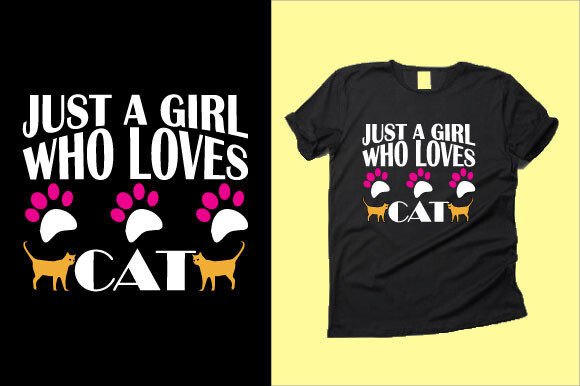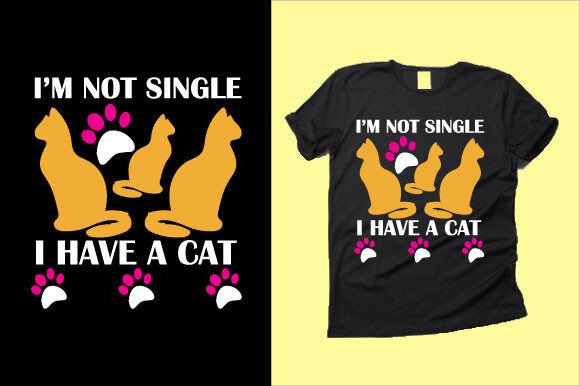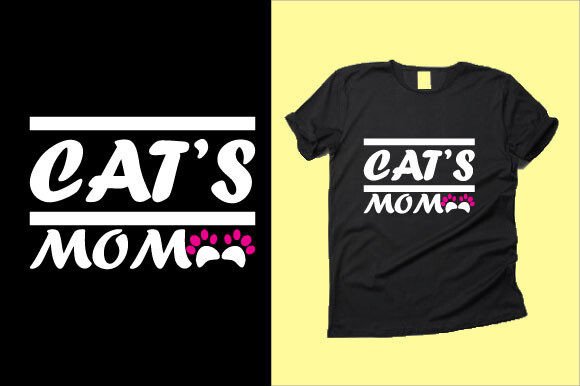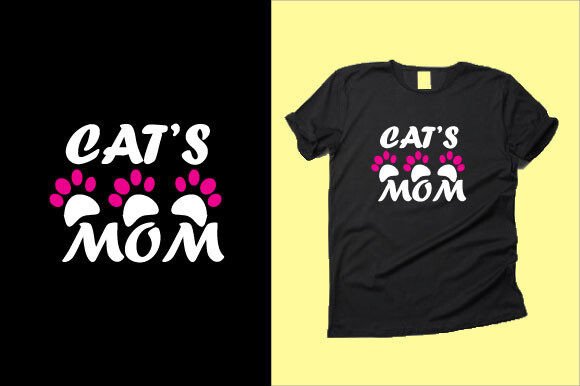
Cat T-shirt Design 102: A Designer’s Real-World Embroidery Review
First Impressions: Playful, Clean, and Surprisingly Versatile
When I opened Cat T-shirt Design 102, I wasn’t expecting much beyond a simple cartoon cat—but what stood out immediately was its confident silhouette and intentional negative space. It reads as friendly without being cutesy, stylized without sacrificing clarity, and balanced without feeling stiff. As a designer who’s stitched hundreds of animal motifs—from nursery onesies to boutique aprons—I knew right away this wasn’t just another clipart-style graphic. It carries the quiet polish of a design built for translation: from screen to fabric, from digital file to finished product.
A Real Project Test: Embroidering It on a Linen-Cotton Tea Towel
Last week, I used Cat T-shirt Design 102 on a set of handmade kitchen towels for a local gift shop. The fabric was medium-weight linen-cotton blend—textured but stable—and I opted for a soft matte cotton thread in charcoal gray. The result? Crisp edges, no puckering, and a subtle tactile charm that customers kept touching. That tells me something important: this design doesn’t rely on flashiness to land. Its strength is in legibility and rhythm—qualities that hold up whether you’re stitching it at 3 inches wide on a tote bag or scaling it down to 1.75 inches on a baby bib.
Where It Shines (and Where It Needs Care)
Cat T-shirt Design 102 works beautifully across several embroidery contexts:
- Custom apparel: Looks especially strong on crewneck sweatshirts and relaxed-fit tees—its clean lines avoid visual clutter against casual fabrics.
- Embroidered patch: The shape lends itself well to borderless or merrowed-edge patches; no awkward cutouts or fragile limbs to fray.
- Baby embroidery: Gentle curves and open shapes mean fewer dense fill areas—ideal for delicate cotton interlock or bamboo blends.
- Holiday embroidery & personalized gifts: Paired with a simple “Meow-mas” or “Nap Time Approved” text block, it becomes instantly giftable—no over-engineering needed.
- Tote bag design: Holds presence at larger sizes without losing definition—even on canvas with slight weave variation.
But here’s where attention matters:
- Small hoop sizes: If your hoop dips below 4x4”, test how the ears and tail anchor. Some versions of this motif can lose nuance when aggressively scaled down.
- Textured or stretchy fabric: On slubbed knits or ribbed cuffs, use medium tear-away stabilizer—not just cut-away—to preserve drape while keeping stitch integrity.
- Dark fabric: This design benefits from a light thread tone (heather gray, oatmeal, or pale sage) rather than stark white—unless you want high contrast. Avoid yellow or neon threads unless it’s intentional branding.
- Curved surfaces like caps: The centered composition helps, but avoid placing it too close to the crown seam. A slight upward tilt (1–2°) improves readability on structured fronts.
What It Adds to Your Finished Product
Let’s be real: not every machine embroidery design lifts the perceived value of your handmade product. Cat T-shirt Design 102 does. It reads as considered—not generic. Customers notice that. I’ve seen repeat buyers specifically ask for “that calm cat one” by memory, even before seeing the tagline. That kind of recognition builds trust faster than any description ever could.
For Etsy sellers and small shop owners, that translates directly to better listings: fewer questions about style, higher conversion on mockups, and smoother photography (it photographs cleanly on both light and dark backgrounds). As a craft business owner, you’ll appreciate how easily it fits into seasonal bundles—think “Cat + Coffee” for fall, “Cat + Pumpkin” for October, or “Cat + Snowflake” for winter—without needing redesign work each time.
Practical Notes Every Embroidery Designer Should Check
Before committing Cat T-shirt Design 102 to your next run, do these five things:
- Test on scrap fabric first—especially if you’re using textured weaves or blends. See how the satin stitch wraps corners and how fill areas breathe.
- Review stitch density. If the file feels heavy in the head or chest area, consider simplifying minor interior details in your editing software—or confirm with the seller whether lighter-density versions exist.
- Confirm hoop size compatibility. Since no specs were listed in the original description, verify whether the design fits comfortably within your most-used hoops (e.g., 4x4”, 5x7”) without auto-resizing distortion.
- Inspect small details—like whiskers or eye highlights—under magnification. Are they single running stitches or tiny satin columns? That affects durability on high-wash items like baby clothes or tea towels.
- Check licensing. The listing says “I will create trendy t shirt design custom merch,” but doesn’t clarify commercial use rights. If you plan to sell finished embroidered products or resell the digital embroidery file, get written confirmation before launching.
Final Thought: A Quiet Workhorse, Not a Flashy One-Off
Cat T-shirt Design 102 won’t shout—but it listens. It listens to your fabric choice, your thread palette, your customer’s taste, and your brand’s voice. It’s the kind of machine embroidery design that earns repeat use because it adapts instead of demanding attention. Whether you're building an Etsy shop around cozy pet-themed goods, stocking a boutique with locally embroidered aprons, or gifting hand-stitched pillows to new cat parents, this design supports your intention—not competes with it.
It’s not revolutionary. But in embroidery—where clarity, consistency, and wearability matter more than novelty—it might be exactly what your next project needs.