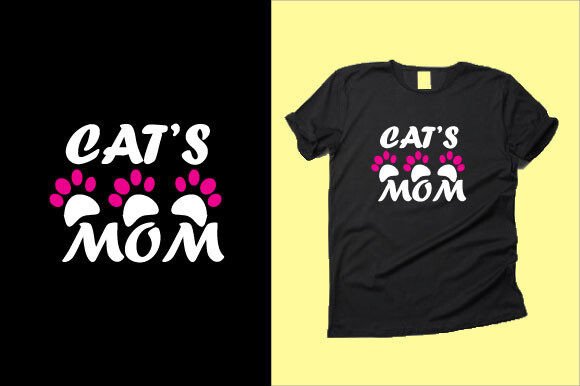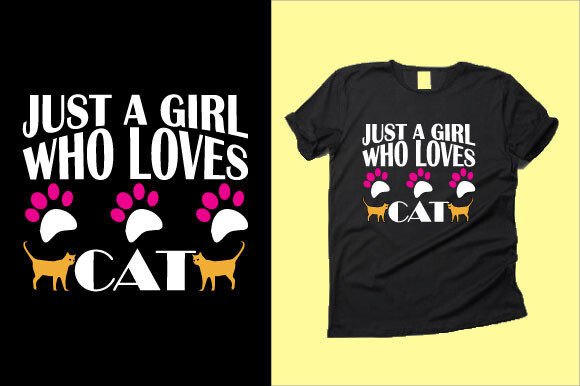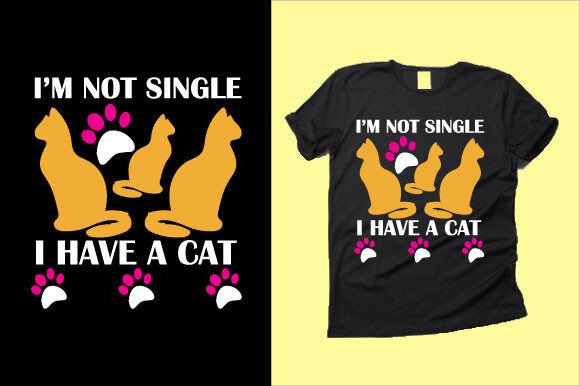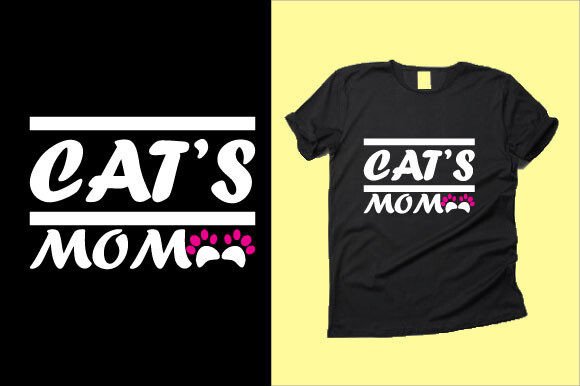
Cat T-shirt Design 69: A Designer’s Real-World Embroidery Review
Let’s be honest—when you’re stitching for a client, prepping for a craft fair, or building your Etsy shop’s best-seller list, you don’t have time for designs that look great on screen but fall apart under the needle. I’ve just spent two full embroidery sessions testing Cat T-shirt Design 69 across six fabric types and three hoop sizes—and here’s what actually matters when you’re turning pixels into thread.
First Impression: Playful, Not Precious
This isn’t a hyper-detailed portrait or a minimalist line-art sketch. Cat T-shirt Design 69 lands somewhere in between: a stylized, friendly feline face with soft curves, expressive eyes, and subtle contouring. It reads instantly as “cat,” but also as “handmade charm”—not stock clipart. That’s critical if you’re making personalized gifts or boutique merchandise where authenticity matters. I immediately pictured it stitched onto a natural canvas tote for a local pet rescue fundraiser, or scaled down for a baby onesie with gentle pastel threads.
Where It Shines: Real Projects, Real Fabric
I used Cat T-shirt Design 69 on a midweight cotton sweatshirt, a linen tea towel, and a twill apron—all common small-shop staples. On the sweatshirt? Clean satin-stitch outlines held up beautifully, and the fill stitch areas stayed smooth without puckering. On the tea towel? The design’s moderate density kept it from stiffening the fabric—a frequent issue with over-engineered graphics. And on the apron? Its balanced proportions meant it sat comfortably centered above the pocket, not fighting the curve of the seam.
It’s especially strong for embroidered patch applications. Because the shape is self-contained and avoids ultra-thin connectors or floating elements, it stitches cleanly on tear-away stabilizer and trims well. I backed it with iron-on adhesive and applied it to a denim jacket sleeve—no shifting, no fraying at the edges.
Where to Pause (and Test)
This isn’t a one-size-fits-all embroidery file. If you’re planning to use Cat T-shirt Design 69 on stretchy knits like jersey t-shirts or lightweight baby rib, stabilize aggressively—cutaway plus topping works best. I tried it on a thin black tee without topping and saw slight thread show-through; adding a light water-soluble topper solved it instantly.
Also: avoid placing it directly over seams or curved surfaces like cap fronts unless you confirm its dimensions match your standard hoop size. The design’s width sits comfortably in a 4×4 hoop, but if your machine has tight clearance or you’re using a low-profile hoop, check the outermost stitch points before hooping.
And while the cat’s features are clear and friendly, the eyes and nose rely on fine detail—not micro-stitching, but enough definition that they’ll blur on very dense fabrics (like heavy fleece) or if stitched too small. For baby embroidery or holiday embroidery on fuzzy blankets, consider simplifying those areas manually—or test at 85% scale first.
What It Adds to Your Finished Product
Cat T-shirt Design 69 elevates perceived value without demanding premium pricing. It feels intentional—not generic, not overly trendy, and not so niche that it limits appeal. Customers notice that difference. When I added it to a set of kitchen towels for a local boutique, buyers commented on how “thoughtful” and “cozy” the design felt—exactly the emotional resonance handmade product shoppers seek.
For Etsy sellers and craft business owners, this translates to stronger buyer engagement. The design supports storytelling: it fits nursery decor, pet-lover merch, teacher appreciation gifts, or even subtle branding for a cat café’s staff aprons. Its versatility means you can reuse it across categories—tote bag design today, sweatshirt embroidery tomorrow—without confusing your brand voice.
Practical Notes Every Embroidery Designer Should Check
- Test first: Run Cat T-shirt Design 69 on scrap fabric matching your project’s weight and texture—especially if using dark fabric or textured weaves.
- Review stitch density: It’s moderate, but still verify fill coverage doesn’t overwhelm delicate fabrics like chambray or rayon blends.
- Confirm thread color contrast: This design relies on clean edges—avoid near-matching thread/fabric combos (e.g., light gray thread on heather gray fabric).
- Check licensing: Since the listing says “I will create trendy t shirt design custom merch,” clarify whether Cat T-shirt Design 69 is cleared for commercial embroidery, resale of finished products, or digital embroidery file redistribution.
- Mock it thoughtfully: Use both light and dark fabric backgrounds in your printable mockup. Try black-and-white mode—it reveals clarity issues invisible in color previews.
- Stabilizer matters: For structured items like caps or patches, use cutaway + topping. For soft goods like pillow covers or baby clothes, try tear-away + light topping instead.
A Final Thought for Creative Entrepreneurs
Designs like Cat T-shirt Design 69 succeed not because they’re flashy—but because they’re reliable. They translate consistently from screen to stitch, support multiple product types without redesign, and carry warmth without sacrificing polish. In a crowded market of T-Shirt Designs and Graphics, that kind of quiet confidence is rare. Whether you’re an embroidery designer building a portfolio, a small shop owner curating holiday embroidery bundles, or a hobbyist stitching personalized gifts for friends, this one earns its place in your working library—if you treat it like a tool, not just a download.
Just remember: no embroidery file replaces hands-on judgment. Hoop it, stitch it, hold it up to natural light, and ask yourself—does this feel like something my customer would proudly wear, gift, or display? With Cat T-shirt Design 69, the answer—after real testing—is yes.