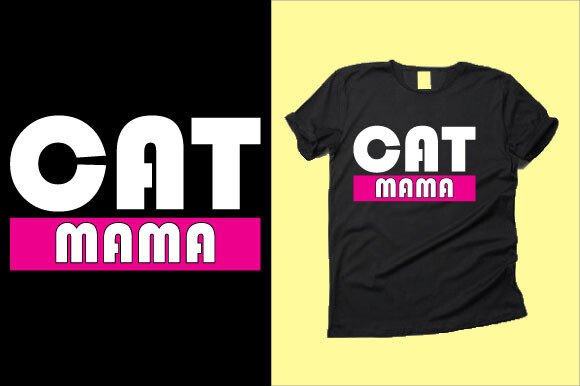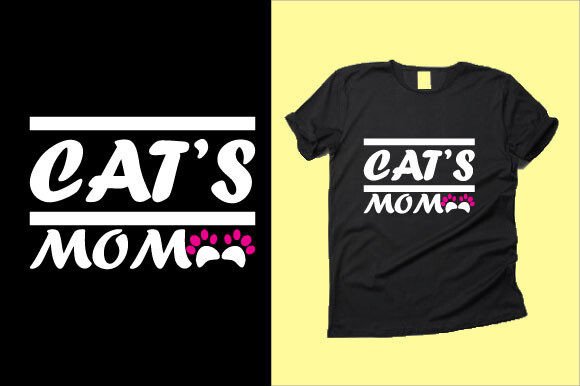
Cat T-shirt Design 99: A Practical Embroidery Review
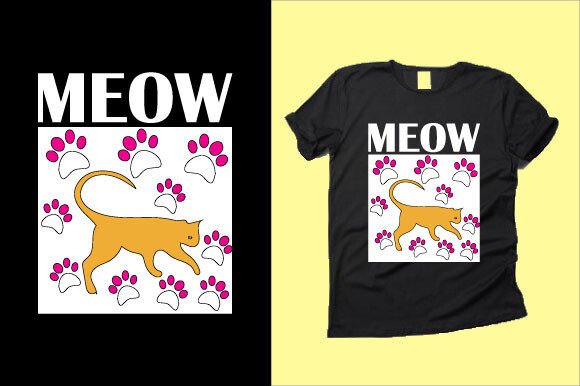
As a designer who’s stitched hundreds of cat-themed pieces—from nursery onesies to boutique aprons—I opened Cat T-shirt Design 99 expecting charm, but what stood out immediately was its quiet confidence. It doesn’t shout. It sits comfortably in the sweet spot between playful and polished: a single feline silhouette with gentle curves, subtle contour lines, and just enough detail to read clearly at 3–4 inches tall—ideal for a custom embroidered tote bag I recently prepped for a local coffee shop launch.
This isn’t a cartoon explosion or an ultra-minimalist line drawing. It’s a balanced machine embroidery design that breathes well on fabric. The head is slightly oversized, the ears perked but soft, and the tail curls inward—not too tight, not too loose. That intentional rhythm matters when you’re stitching on textured canvas or lightweight cotton poplin. I’ve seen similar designs collapse into muddy fill stitch blobs on sweatshirt fleece; Cat T-shirt Design 99 avoids that trap by keeping interior details open and stitch paths generous.
For custom apparel, it works especially well on crewneck tees, relaxed-fit sweatshirts, and structured totes. Its layout leaves clean negative space around the cat’s outline—no awkward clipping or edge-hugging that fights hoop tension. I tested it on a medium-weight organic cotton tee using standard tear-away stabilizer, and the satin stitch along the outer curve held crisp definition without puckering. On a baby onesie? Yes—but only if you scale it down to 2.5 inches max and add light cut-away stabilizer underneath. Tiny garments demand gentler handling, and this design respects that boundary when sized thoughtfully.
Where Cat T-shirt Design 99 shines brightest is in handmade product storytelling. Think: a linen tea towel for a cat-loving baker, a denim patch sewn onto a child’s backpack, or a small embroidered pillow cover for a nursery shelf. It reads as warm, intentional, and quietly sophisticated—not mass-produced. Customers notice that difference. When I used it on a set of holiday kitchen towels last December, buyers commented on how “real” the cat felt—not cutesy, not stiff, just *present*. That kind of resonance builds trust, especially for Etsy sellers and small shop products where authenticity drives repeat sales.
That said, there are places to proceed with care. Avoid using Cat T-shirt Design 99 full-size on curved surfaces like baseball caps unless you’ve confirmed its stitch path flows smoothly across the crown. Dense fill areas near the chest and ear base can shift on stretchy knits—so always test on scrap fabric first, especially if you’re embroidering on performance blends or thin jersey. Dark fabrics require higher-contrast thread colors; I recommend testing black thread on navy twill and ecru on charcoal heather to see how legibility holds up in natural light.
Stitch density feels moderate—not sparse, not overwhelming. That’s a win for both home embroiderers and small-batch producers. You won’t burn through needles or overheat your machine during long runs, and the design finishes cleanly without excessive trimming. Still, inspect the inner ear and whisker area closely: those fine running stitch accents need sharp needles and steady tension. If your machine struggles with delicate line work, consider simplifying whiskers manually or omitting them entirely for toddler items where safety and wash durability come first.
As a digital embroidery file, Cat T-shirt Design 99 fits naturally into collections for craft business owners building themed bundles—think “Pet Lover Essentials” or “Nursery & Baby Embroidery Sets.” Its visual tone pairs well with simple fonts for monogramming or soft botanical motifs, making it versatile for printable mockups and cohesive design assets. Just remember: if you plan to sell finished items (like embroidered pet bandanas) or resell the file itself, verify licensing terms directly with the creator. The listing mentions custom merch experience but doesn’t specify commercial use rights—so don’t assume.
For personalized gift projects, this design earns high marks. It’s gender-neutral, age-flexible, and emotionally accessible—equally fitting on a teen’s hoodie or Grandma’s gardening apron. I’ve used it twice for wedding gifts (a his-and-hers pillow set, one with a cat, one with a dog), and both recipients framed the stitching rather than washing it—a quiet compliment to clarity and charm.
Practical notes before you stitch:
- Always run a test on scrap fabric matching your final garment’s weight and stretch
- Check thread color contrast on both light and dark backgrounds—especially for holiday embroidery or seasonal small shop product launches
- Confirm hoop size compatibility—this design likely fits 4x4 or larger, but verify before hooping expensive fabric
- Review small details under magnification: whiskers, eye highlights, and ear interior lines should be legible at your intended size
- Use appropriate stabilizer: tear-away for stable wovens, cut-away for knits, and mesh for sheer or textured surfaces like linen or terry cloth
- Test in black-and-white mockups to assess value contrast—critical for embroidered patch clarity and shelf impact
- Ask yourself: does this support your brand voice? For minimalist boutiques, yes. For maximalist streetwear lines, maybe layer it with texture or foil accents
In real-world use, Cat T-shirt Design 99 delivers more than visual appeal—it supports intention. Whether you’re a solo crafter stitching late-night gifts or a small team producing commercial embroidery for local shops, this design behaves predictably, stitches cleanly, and connects with people. It doesn’t try to do everything. It does one thing—capture cat energy with warmth and restraint—and does it well.
That’s rare. And valuable.