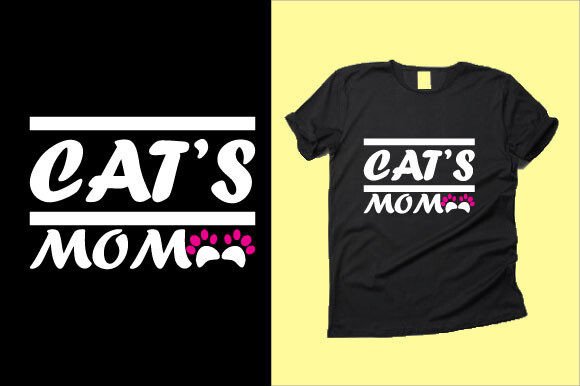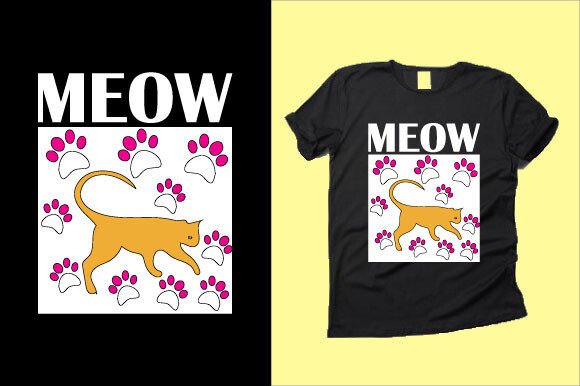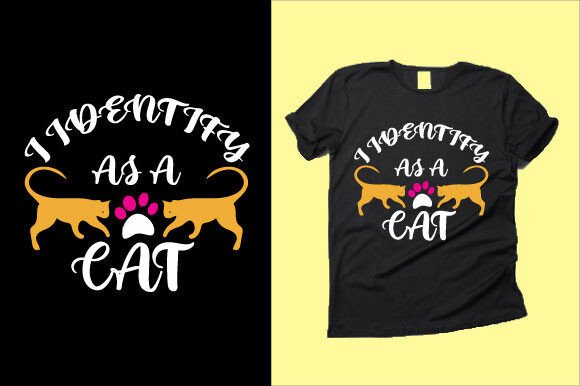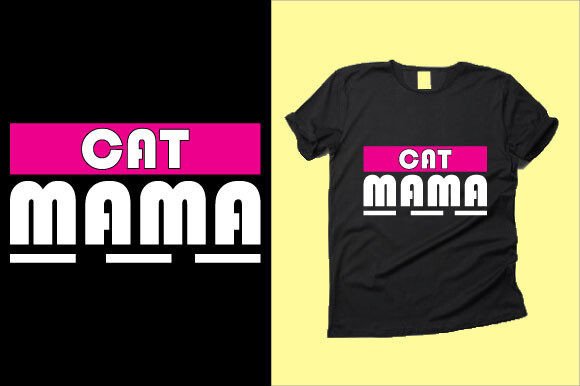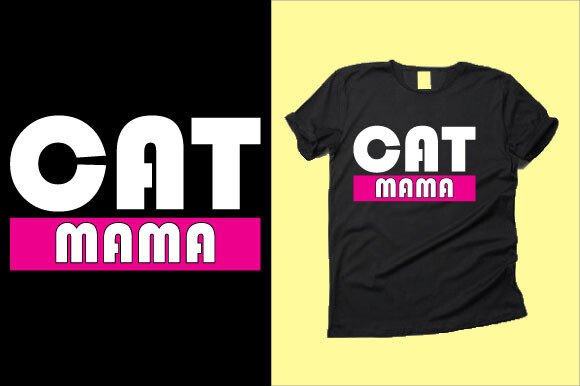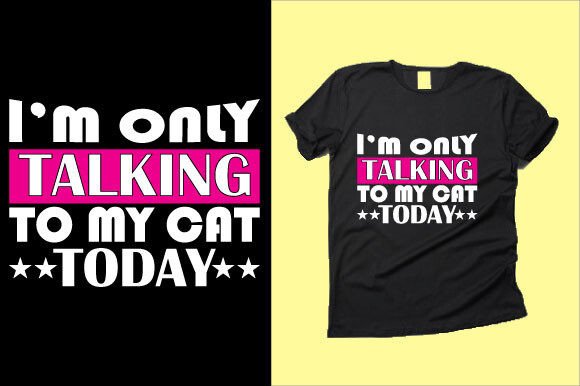
Cat T-shirt Design 74: A Practical Embroidery Review
Let’s be real—when you’re stitching for clients, prepping for a craft fair, or building your Etsy shop’s best-seller list, Cat T-shirt Design 74 isn’t just another graphic. It’s a potential signature piece for baby onesies, boutique aprons, embroidered patches on denim jackets, or even minimalist kitchen towels for cat-loving customers. I tested it recently while prepping a small batch of custom embroidered tote bags for a local pet rescue fundraiser—and that’s where the design really revealed itself.
First Impression: Playful, Not Precious
At a glance, Cat T-shirt Design 74 reads as friendly and approachable—not overly stylized, not cartoonish, and definitely not generic. The silhouette is clean and centered, with gentle curves in the ears and tail that suggest movement without sacrificing stitch stability. There’s no tiny whisker detail or micro-paw print to trap thread or snag during hooping. That’s a win. As a machine embroidery design, it leans into simplicity with purpose: it’s built for clarity at 3–4 inches wide, not for zooming in on a screen.
This isn’t a design that shouts “look at me!”—it invites quiet recognition. A customer sees it on a sweatshirt and smiles because it feels familiar, not forced. That kind of emotional resonance matters most when you’re selling handmade product—not just pixels.
Where It Shines (and Where It Needs Thought)
Cat T-shirt Design 74 works beautifully on medium-weight cotton blends—think crewneck sweatshirts, canvas totes, and structured pillow covers. The shape holds up well under satin stitch outlining and balanced fill stitch areas. I ran it on a lightweight linen tea towel with tear-away stabilizer and got crisp edges without puckering. On baby onesies? Yes—but only with soft cutaway stabilizer and reduced top tension. The design’s open negative space helps prevent stiffness, which is critical for infant wear.
It also translates cleanly to embroidered patch format. When stitched out on twill backing and heat-sealed to denim, the cat retained its charm without looking pixelated or over-digitized. That tells me the original digitizing respected stitch logic—not just vector tracing.
But here’s where attention matters: Cat T-shirt Design 74 doesn’t scale gracefully below 2.5 inches. On caps or curved surfaces like baseball hats, the ear tips and tail taper start to blur unless you manually adjust pull compensation or reduce density. Likewise, avoid placing it directly over seams or thick fabric layers (like quilted hoodies) without testing hoop clearance first.
Fabric & Function: Know Your Limits
This design performs reliably on stable, low-stretch fabrics—but tread carefully on jersey knits or thin rayon tees. Without proper stabilizer and careful hooping, the fill areas can shift or shadow through. I saw slight show-through on a light heather grey t-shirt using standard polyester thread; switching to matte cotton thread and adding a layer of iron-on mesh solved it instantly.
Dark fabric? No problem—just confirm your thread colors have enough contrast. The design’s mid-weight density means it won’t overwhelm black cotton, but avoid ultra-fine white threads if you want longevity. And if you’re planning holiday embroidery—say, on velvet stockings or felt ornaments—test stitch density first. Dense fills can stiffen delicate surfaces faster than expected.
Real-World Impact on Your Craft Business
For Etsy sellers and small shop owners, Cat T-shirt Design 74 adds warmth without complexity. It’s the kind of design customers describe as “just right”—not too cutesy, not too cool, easy to pair with neutral apparel. That versatility boosts perceived value: a $38 embroidered linen apron feels intentional, not gimmicky. And because it’s not overloaded with decorative accents, it photographs well in printable mockups—no retouching needed for social listings or email banners.
Customer trust builds quietly here. When someone orders a personalized gift—a baby’s first embroidered blanket, a custom cap for a cat cafe grand opening—they’re not buying stitches. They’re buying confidence that it’ll look thoughtful, durable, and professionally finished. Cat T-shirt Design 74 delivers that quietly.
Practical Notes Every Embroidery Designer Should Check
- Always test on scrap fabric first—especially if pairing with textured weaves or stretchy blends.
- Review stitch density before scaling up for commercial embroidery. High-density fills may need adjusted speed or needle size on industrial machines.
- Confirm hoop size compatibility. This design fits comfortably in a 4×4 hoop, but double-check if your workflow relies on smaller frames.
- Inspect small details like inner ear curves and tail tip taper—these are where thread breaks or skipped stitches often begin.
- Test black-and-white mockups to verify legibility on both light and dark backgrounds before finalizing product photos.
- Use appropriate stabilizer: cutaway for knits, tear-away for stable wovens, and fusible for lightweight linens.
- Verify licensing terms before selling finished items or bundling the digital embroidery file with other design assets.
- Check whether it supports both personal and commercial use—many Graphics files in the T-Shirt Designs category don’t include resale rights by default.
Bottom line? Cat T-shirt Design 74 isn’t flashy—but it’s dependable. It’s the kind of embroidery file you reach for when you need charm without compromise, clarity without clutter, and quiet professionalism that supports your brand—not overshadows it. Whether you’re stitching for joy, gifting, or growing your craft business, this one earns its place in your working library.