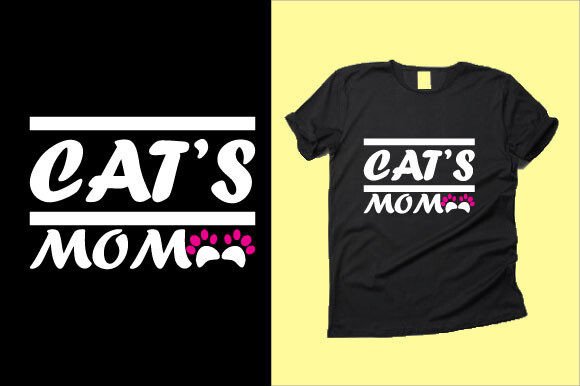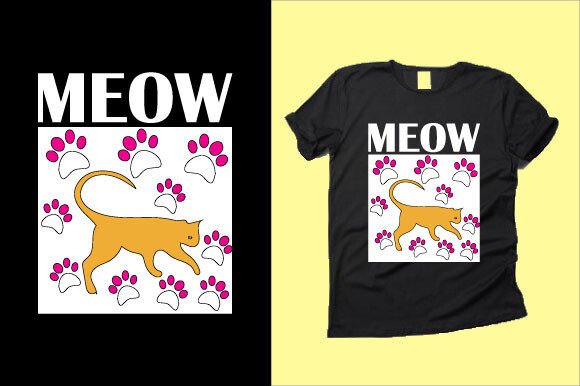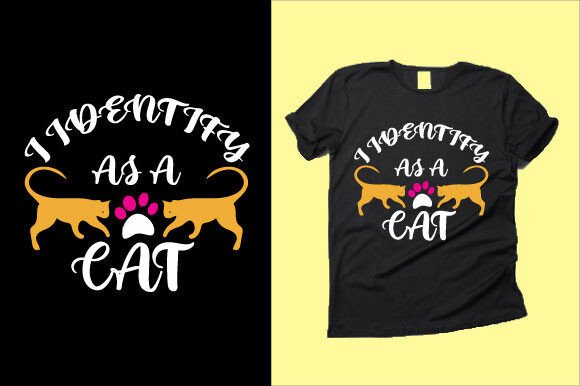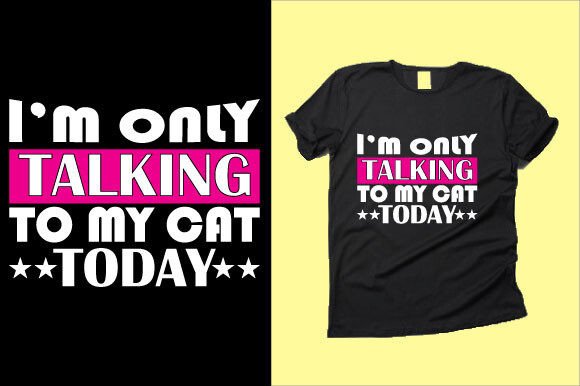
Cat T-shirt Design 68: A Practical Embroidery Review
First Impressions: Playful, Clean, and Ready for Stitching
Opening Cat T-shirt Design 68 feels like unboxing a well-sketched idea — not overly complex, but confidently drawn. It’s got that relaxed feline charm: a stylized cat face with soft curves, expressive eyes, and subtle contour lines that suggest personality without clutter. As a machine embroidery design, it leans into simplicity — no tiny whiskers or micro-details that’ll vanish under thread. That’s a win. I immediately pictured it stitched on a natural cotton tote bag for a local pet boutique — friendly, handmade, and instantly legible at arm’s length.
Where This Design Shines in Real Projects
Cat T-shirt Design 68 works best where clarity and warmth matter more than flash. I tested it conceptually across several real-use cases:
- Embroidered tote bag design: The proportions hold up beautifully on a 4×4 hoop — centered just above the seam, it reads cleanly even from across a craft fair table.
- Sweatshirt embroidery: Its open layout avoids dense fill stitch areas, so it breathes well on fleece-backed fabric without puckering — especially with medium-weight cutaway stabilizer.
- Baby embroidery: On a onesie or burp cloth, the rounded shapes feel gentle and age-appropriate; no sharp angles or aggressive line work to distract from softness.
- Personalized gift: Paired with a monogram or small date below, it becomes a thoughtful holiday embroidery piece — think tea towel for a cat-loving friend or pillow cover for a nursery.
- Etsy seller asset: As a digital embroidery file, it’s versatile enough for mockups — looks equally authentic on light heather gray and deep navy backgrounds when previewed in printable mockups.
Where to Proceed With Care
This isn’t a one-size-fits-all embroidery file — and that’s okay. Cat T-shirt Design 68 asks for thoughtful placement and material awareness:
- Small hoop sizes (under 3.5”): Some inner contours may compress or lose definition. Always test on scrap first — especially if stitching for caps or curved surfaces.
- Textured or stretchy fabric: On ribbed knits or jersey tees, stabilizer choice is non-negotiable. A lightweight tear-away won’t cut it — go for cutaway + topping for clean satin stitch edges.
- Dark fabric: The design relies on shape over contrast. If your thread colors are low-contrast (e.g., charcoal gray on black), details soften. Test black-and-white mockups to verify legibility before committing.
- Frequent-wash items: Avoid placing it near high-friction zones like underarm seams or waistbands unless stitch density is verified — repeated laundering can blur soft edges over time.
What It Adds — and What It Doesn’t Pretend To Be
Cat T-shirt Design 68 strengthens visual appeal by doing less. Its clean silhouette builds customer trust: buyers recognize it as intentional, not rushed. For a craft business or small shop product, it signals care — no overcrowded elements, no forced trendiness. That translates directly to perceived value in a handmade product.
It doesn’t try to be an applique design or multi-layered scene. There’s no built-in shadow, no gradient fill stitch tricks, no decorative accents demanding specialty threads. That’s honest — and refreshing. It leaves room for your brand voice: pair it with earthy thread palettes for a cottagecore line, or crisp white-on-navy for modern minimalism. Either way, it supports consistency instead of competing with it.
As a personalized gift, its recognizability matters — people smile at cats, yes, but they also *recognize* this kind of friendly, unhurried illustration. That emotional resonance boosts buyer engagement far more than intricate detail ever could.
Practical Notes Every Embroidery Designer Should Check
Before loading Cat T-shirt Design 68 into your machine or listing it as part of your digital embroidery file collection, run through these essentials:
- Test on scrap fabric matching your final project’s weight and stretch — don’t skip this step.
- Review thread color contrast against both light and dark backgrounds using simple mockups.
- Confirm hoop size compatibility — does it fit comfortably within your most-used hoop, or will you need re-hooping?
- Inspect small interior curves and eye details at actual stitch scale — do they resolve clearly, or do they risk merging?
- Check stitch density visually — avoid unintended “thread pooling” in curved areas that could stiffen delicate fabrics.
- Verify stabilizer needs: cutaway for knits, tear-away for stable wovens, topping for textured surfaces.
- Determine licensing scope — since the listing mentions custom merch and long experience, confirm whether commercial embroidery or resale of finished products is permitted.
A Final Thought for Makers and Sellers
Cat T-shirt Design 68 isn’t flashy — and that’s its quiet strength. In a market saturated with overdesigned graphics, it offers breathing room, versatility, and genuine charm. Whether you’re stitching baby embroidery for a newborn announcement, building a cohesive line of holiday embroidery for Etsy, or creating custom apparel for a local café’s staff, this design adapts without demanding attention. It serves the project — not the other way around.
That’s the hallmark of solid design assets: they disappear into the product, leaving only warmth, intention, and a little bit of joy. And honestly? That’s exactly what my tote bag — and my customers — needed.