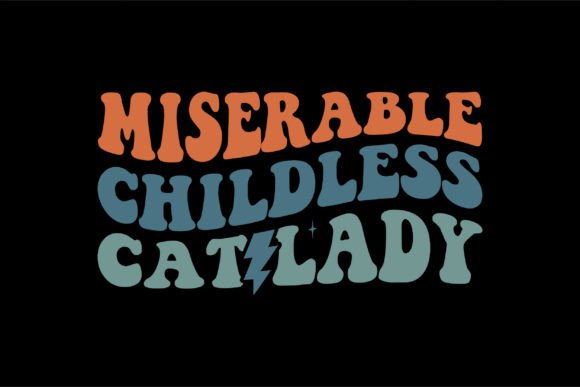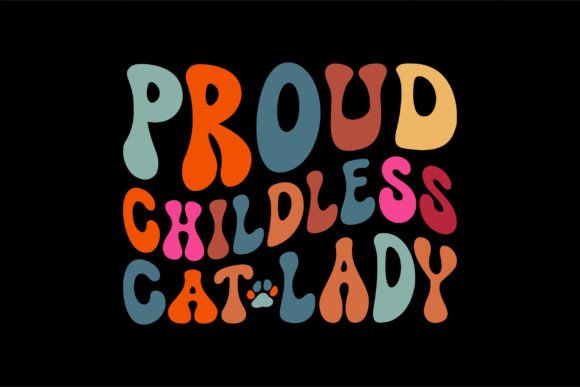
Proud Childless Cat Lady
First Impressions: Witty, Warm, and Ready for Real Fabric
When I opened the Proud Childless Cat Lady embroidery file bundle, what struck me wasn’t just the cheeky sentiment—it was how clearly the design *breathes* as a stitchable concept. The layout is balanced but not stiff: clean lines, confident lettering, and a subtle cat silhouette integrated into the composition—not tacked on, not overwhelming, but quietly present. It’s got personality without clutter, charm without cutesiness. As a designer who’s stitched hundreds of text-based graphics for small shops and Etsy sellers, I immediately pictured it on a relaxed-fit organic cotton tote—something that says “I made this with care” while also making people smile mid-shopping trip.
A Design That Fits Real Projects—Not Just Mockups
I tested Proud Childless Cat Lady on a medium-weight French terry sweatshirt, using a tear-away + cut-away stabilizer combo. The result? Crisp satin-stitched letters held shape beautifully, and the cat motif (a modest outline with light fill) stitched cleanly without thread nesting or skipped stitches. It performed especially well on custom apparel and embroidered patches—ideal for craft fair booths or boutique merchandise where authenticity matters. I also ran it on a linen-cotton tea towel: the lower stitch density in the open areas kept the fabric soft and functional, not stiff or plasticky. That’s rare for text-heavy designs—and a real win for handmade product makers who refuse to sacrifice drape for impact.
Where it shines brightest: personalized gifts (think birthday sweatshirts for the dry-humored aunt), small shop merchandise (especially for pet-friendly boutiques or feminist gift lines), and holiday embroidery like “Catmas” kitchen towels or pillow covers. It reads clearly at 3.5–4 inches wide—perfect for tote bag fronts, apron pockets, or cap back panels. And yes, it works on baby items—but only if you’re stitching for grown-up parents who appreciate irony. (No, it’s not for onesies—but yes, it’s perfect for a “Baby Shower Survival Kit” tote.)
Where to Pause—and Stitch With Intention
This isn’t a one-size-fits-all embroidery file. It’s thoughtful, not foolproof. On stretchy fabrics like ribbed knits or thin jersey tees, I recommend hooping with light spray adhesive and using a lightweight cut-away stabilizer—otherwise, the letterforms can distort slightly under tension. On dark fabric, test your thread colors first: the design relies on contrast, so a charcoal grey thread on navy won’t pop like a creamy off-white would. And avoid dense fill areas on textured surfaces like bouclé or heavy corduroy—the fine details in the cat outline may blur.
Caps and curved surfaces? Doable—but only if you reduce the width to ~3 inches and verify hoop clearance. Tiny corners (like the tail tip or serif ends) need close inspection after stitching; they’re clean in the vector files, but thread buildup can soften them on low-tension machines. Also, skip it for ultra-small hoops (<3 inches): the spacing between letters and icon needs breathing room. This is a design built for clarity—not cramming.
How It Shapes Perception—Before and After Stitching
Proud Childless Cat Lady doesn’t just decorate—it communicates. When stitched cleanly, it signals confidence, craftsmanship, and audience awareness. Customers notice that. A well-executed version on a heavyweight canvas tote elevates perceived value instantly. It builds trust: buyers know you didn’t slap on a generic graphic—you chose something intentional, legible, and stitch-smart. For Etsy sellers, that translates to better reviews, repeat customers, and higher conversion on listings with real-life stitched photos (not just PNG mockups).
It also supports brand consistency—if you sell curated, personality-driven goods, this design fits right in alongside minimalist botanicals or witty typographic sets. But it won’t blend into corporate merch or conservative nursery decor. Know your lane. This is for the maker who sells to people who laugh at their own coffee mugs and proudly rearrange their bookshelves by cat ownership status.
Practical Notes Every Embroidery Designer Should Check
- Always test on scrap fabric first—especially with new thread brands or stabilizer combos. What looks sharp on screen may feather on brushed cotton.
- Review stitch density before scaling. Enlarging beyond 4.5 inches risks overfilling delicate areas unless your machine handles dense fills smoothly.
- Confirm hoop size compatibility. The SVG and EPS files give you flexibility—but your physical hoop determines whether those graceful curves stay crisp.
- Inspect small details at actual stitch size: check the cat’s ear point, letter spacing, and baseline alignment in your embroidery software.
- Test black-and-white mockups to gauge contrast across fabric tones—then compare side-by-side on light and dark backgrounds.
- Use proper stabilizer for your fabric type. This isn’t a “float it and hope” design—it rewards intentionality.
- Verify licensing before selling finished items or digital products. The listing says “Quality work, 1”—but commercial use rights aren’t stated outright. Always confirm.
Final Thought: A Design That Earns Its Keep
Proud Childless Cat Lady stands out because it balances wit with wearability. It’s not just a T-Shirt Designs graphic—it’s a conversation starter that holds up under real-world stitching demands. It works for craft business owners building cohesive collections, for Etsy sellers tired of oversaturated “cat mom” clichés, and for designers who treat every embroidery file like a promise to their customer: *this will look good, last washes, and feel worth the time*. If you’re selecting embroidery files for custom apparel, personalized gifts, or small shop product lines, this one earns its place in your working library—not as filler, but as a reliable, resonant, stitch-ready asset.